Introduction
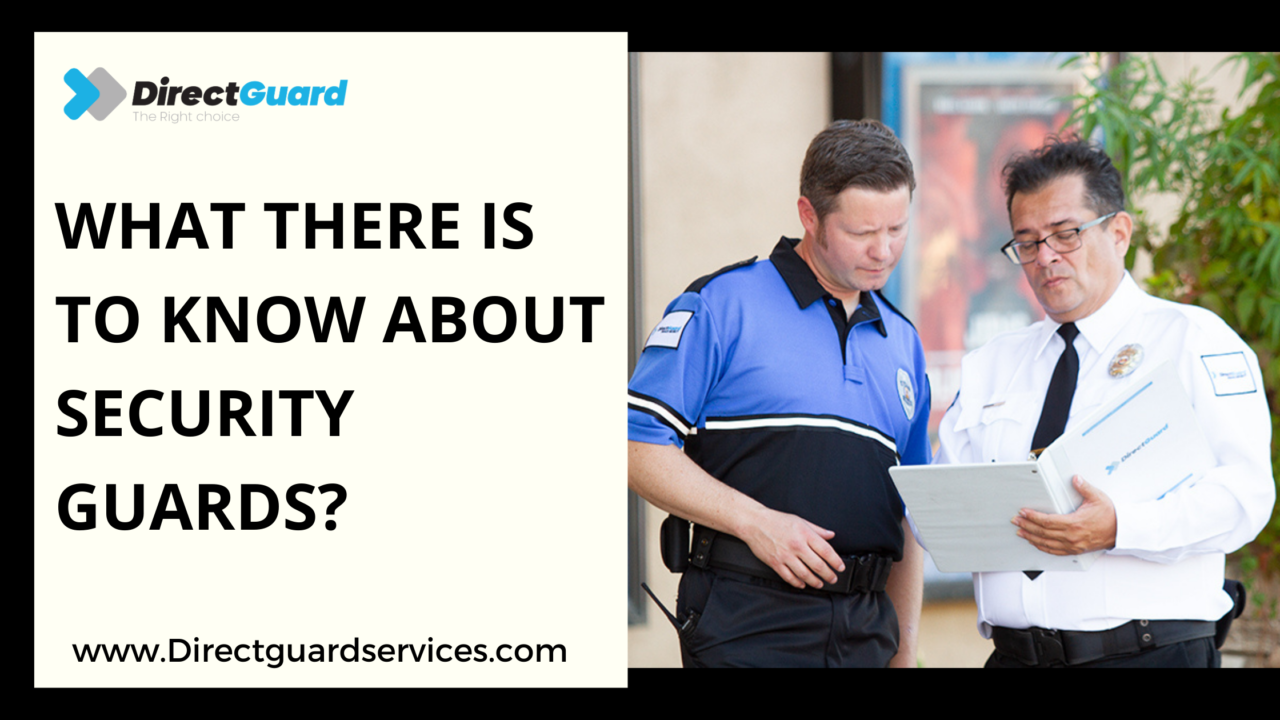
Security officers are an essential part of maintaining safety and order in various environments, including businesses, public spaces, events, and private properties. Trained professionals prevent crime, protect people, and ensure the safety of assets and premises. Security officers oversee and manage security measures that create a safe environment for everyone, adapting their duties based on the industry or environment.
In this blog, we will take an in-depth look at what you need to know about security officers, including their roles, responsibilities, and the skills required to excel in this critical profession.
What Is a Security Officer?
A security officer is a professional responsible for maintaining the safety of people, property, and assets in a specific environment. Security officers observe, report, and respond to security risks and emergencies. They may work in a variety of settings, including office buildings, shopping malls, schools, hospitals, industrial sites, or large events.
Their primary mission is to prevent crime, ensure safety, and act as a visible deterrent to potential threats. While security officers do not have the same legal powers as law enforcement officers, they play a crucial role in creating secure environments.
Roles and Responsibilities of a Security Officer
Security officers perform a wide range of duties depending on the environment they work in. While the specifics may vary, some common roles and responsibilities include:
-
Patrolling and Observing: Security officers regularly patrol the premises to ensure that the environment is safe and secure. They check entrances, exits, and vulnerable areas for suspicious activity.
-
Monitoring Surveillance Systems: In many environments, security officers are responsible for monitoring video surveillance systems, ensuring that security cameras are functioning properly, and spotting potential security risks.
-
Access Control: Security officers may monitor access points, ensuring that only authorized individuals enter the premises. They may check identification, issue visitor passes, or log the entry and exit of people.
-
Responding to Emergencies:Security officers respond quickly and appropriately to medical emergencies, fires, and security threats. They provide assistance in emergencies and alert the appropriate authorities when necessary.
-
Preventing Criminal Activity: One of the primary functions of security officers is to prevent crime, including theft, vandalism, or trespassing. Their presence alone can act as a deterrent to potential criminals.
-
Enforcing Policies and Procedures: Security officers help enforce the rules and policies of the organization or event. This could include making sure that people follow safety guidelines or controlling crowds during large events.
-
Reporting Incidents: Security officers document any incidents or security breaches. Detailed reports are important for both law enforcement and internal records.
Skills Required to Be a Good Security Officer
A successful security officer needs a combination of technical skills, soft skills, and professional qualities. Here are some essential skills that security officers should have:
-
Alertness and Observation: Security officers need to remain vigilant and have sharp observation skills. They must pay attention to details, whether they’re monitoring surveillance footage or walking around the premises.
-
Communication Skills: Effective communication is key for a security officer. Whether it’s issuing instructions to employees or talking to the public, being clear, concise, and professional is essential.
-
Problem-Solving Abilities: Security officers are often faced with unexpected situations that require quick thinking and problem-solving. They need to assess a situation and make decisions based on the available information.
-
Conflict Resolution: Security officers should know how to handle confrontational situations with professionalism and calm. Whether de-escalating an argument or preventing a potential altercation, they must have strong conflict-resolution skills.
-
Physical Fitness: Many security officer positions require physical stamina, especially when patrolling large areas or responding to emergencies. Physical fitness is essential for carrying out the demands of the job.
-
Knowledge of Laws and Regulations: Security officers must be familiar with the laws and regulations relevant to their job, including local laws, property rights, and the legal limits of their authority.
-
Attention to Detail: The ability to spot suspicious behavior, minor security breaches, or overlooked details is critical. A good security officer should be able to identify potential risks before they escalate.
Different Types of Security Officers
Employers hire security officers in various environments, and these officers perform duties based on the specific security work required. Some common types of security officers include:
-
Corporate Security Officers: Businesses and corporations employ security officers to ensure the safety of employees, visitors, and assets. They may work at office buildings, warehouses, or corporate campuses.
-
Retail Security Officers: Retail security officers primarily focus on preventing shoplifting and other crimes in retail settings. They may also assist customers and monitor surveillance systems.
-
Event Security Officers: Event security officers work at concerts, sports events, conferences, and other large gatherings. They help with crowd control, ticketing, access management, and emergency response.
-
Industrial Security Officers: These officers protect manufacturing plants, construction sites, and other industrial environments. Security officers enforce safety protocols and prevent unauthorized access to the site.
-
Hospital or Healthcare Security Officers: These officers work in healthcare facilities, ensuring the safety of patients, staff, and visitors. They also handle situations such as dealing with difficult patients or visitors.
Training and Certification
To become a security officer, individuals typically need to complete training programs that teach them the skills and knowledge needed for the role. Training programs often cover:
-
Security procedures and policies
-
Emergency response and first aid
-
Conflict resolution and de-escalation techniques
-
Legal authority and restrictions
-
Surveillance equipment operation
Depending on their job, some security officers obtain certifications in specific areas, such as CPR or firearm training.
Work Environment and Hours
Security officers can work in various settings, including private businesses, government buildings, public events, or residential areas. Depending on the location, their work schedule may include irregular hours, weekends, and even overnight shifts.
-
Private businesses: Security officers may work in office buildings, retail stores, or industrial sites, typically during business hours or in shifts.
-
Public events: Security officers working at events like concerts, sports games, and conventions often work during the event itself and may have longer hours.
-
Residential areas: Security officers may also work in gated communities or private residences, where they monitor access to the property and maintain safety protocols.
Legal Authority and Limitations
While security officers play a critical role in maintaining safety, it’s important to note that they do not have the same legal authority as law enforcement officers. Security officers have the authority to:
-
Detain individuals temporarily until law enforcement arrives if they witness a crime or suspicious activity.
-
Use reasonable force to protect themselves or others from harm, but excessive force can lead to legal consequences.
However, they do not have the power to make arrests, conduct searches without consent, or enforce laws in the same manner as the police.
Career Outlook and Opportunities
The demand for security officers continues to grow as businesses, events, and public spaces prioritize safety and protection. There are opportunities for career advancement, including supervisory roles, specialized security positions (such as cybersecurity or executive protection), or managerial positions within security companies.
Tip: Continuous training, certifications, and experience can help security officers advance in their careers and take on more complex roles.
Conclusion
Security officers are integral to maintaining safety and protecting people and property across various environments. Security officers ensure safety protocols are followed and manage risks in businesses, retail stores, and event settings.
Their duties require a combination of technical knowledge, soft skills, and legal awareness, which makes them crucial to preventing crime and managing emergencies.
If you are considering a career in security or are looking to hire security professionals for your business, understanding the roles, skills, and responsibilities of security officers will help ensure that you make informed decisions and maintain a safe and secure environment.