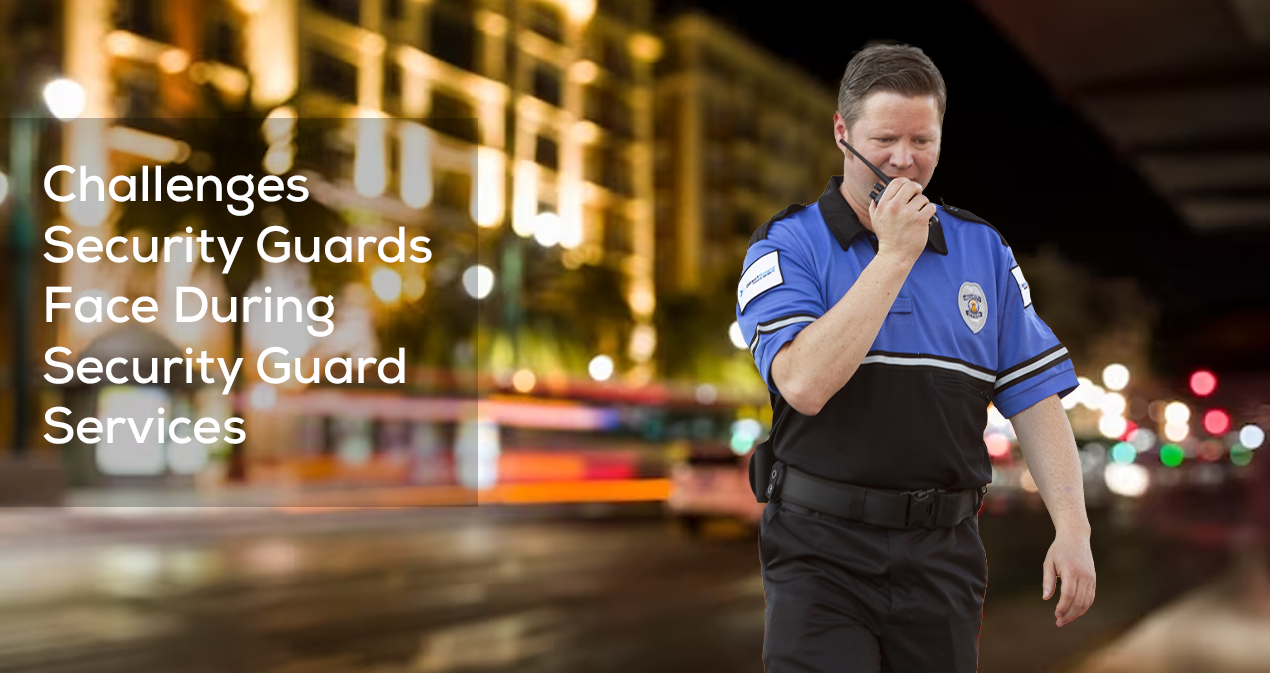
Security guards play a crucial role in ensuring the safety and security of properties, people, and valuable assets. While their job is vital to maintaining order, it’s also filled with challenges that demand vigilance, quick thinking, and the ability to handle stressful situations. This blog will explore the common difficulties security guards face while providing security services and how they navigate through them to protect what matters most.
1. Hospitals Stress and Pressure
Security guards often work in high-stress environments. Whether it’s monitoring surveillance systems, patrolling a large facility, or responding to potential threats, the pressure to make quick, accurate decisions can be overwhelming. Security guards are tasked with ensuring everything runs smoothly, but when emergencies arise, they must remain calm and composed.
- Dealing with life-threatening situations
- Responding to alarm triggers or security breaches
- Working long shifts, often without breaks
2. Handling Aggressive or Dangerous Individuals
One of the most difficult aspects of a security guard’s job is dealing with aggressive or potentially dangerous individuals. Whether it’s an intruder, a disruptive customer, or a hostile individual, security guards must defuse situations without escalating violence.
- Identifying signs of aggression early
- Using communication skills to de-escalate tension
- Being prepared to protect others if needed physically
3. Risk of Physical Injury
Security guards are often exposed to physical risks during their duties. Whether it’s a confrontation with a criminal, handling a safety violation, or responding to an emergency, security personnel face the possibility of physical injury.
- Potential injuries from altercations
- Slips, trips, and falls while on patrol
- Accidents during emergency response situations
The risks of injury make it essential for security guards to be well-trained in self-defence and emergency response procedures.
4. Working Alone and Limited Support
Many security guards work alone during their shifts, especially in remote or smaller locations. This isolation can be challenging when they encounter situations that require backup. Without immediate assistance, security guards must handle situations independently, often making life-and-death decisions on the spot.
- Working without backup in large or isolated areas
- Limited communication with other security personnel
- Increased responsibility and workload
5. Fatigue and Long Working Hours
Security guards often work long hours, sometimes covering night shifts or rotating schedules. This can lead to fatigue, which affects concentration and decision-making abilities. Over time, exhaustion may take a toll on physical and mental health, which can compromise the quality of service.
- Adapting to irregular work schedules
- Dealing with sleep deprivation and fatigue
- Maintaining alertness during extended shifts
6. Technological Challenges
With the rise of surveillance technologies, security guards are now expected to be proficient with advanced tools and equipment. While technology can improve efficiency, it also presents challenges, such as technical glitches or system failures, which security guards must handle swiftly to maintain security.
- Dealing with malfunctioning security cameras
- Managing complex alarm systems
- Learning new security technologies regularly
7. Mental and Emotional Strain
The nature of security work involves constant alertness, which can take a mental and emotional toll on security guards. They deal with stressful situations daily, which can lead to anxiety, burnout, or post-traumatic stress disorder (PTSD) in extreme cases. Overcoming these challenges requires support, regular mental health checkups, and a healthy work-life balance.
- Handling trauma from witnessing accidents or crimes
- Dealing with isolation and loneliness
- Managing stress from high-risk environments
8. Legal and Ethical Responsibilities
Security guards are entrusted with significant responsibility when it comes to the safety of individuals and property. They must also adhere to legal and ethical standards while on duty. In some cases, they must navigate complex situations where they must balance security and personal rights, all while maintaining professionalism.
- Understanding legal limitations when detaining individuals
- Ensuring that all actions comply with local laws
- Balancing their authority with ethical conduct
Conclusion
The role of a security guard is undoubtedly vital in ensuring the safety and security of people and property. However, the challenges they face are significant and multifaceted. From dealing with physical risks to managing stress and emotional strain, security guards must be highly trained, resilient, and capable of handling pressure. They must be supported both physically and mentally to perform their duties to the best of their ability.
Security companies and clients must recognise these challenges and offer adequate training, equipment, and support to ensure security guards are prepared for any situation they may face.
FAQs
1. What training do security guards need to face these challenges?
Security guards typically undergo training that covers emergency response, conflict resolution, physical defence, and legal protocols. Ongoing training is crucial for maintaining safety and competency.
2. How do security guards stay alert during long shifts?
Security guards stay alert by maintaining a balanced diet, staying hydrated, and taking breaks when possible. Some employers also provide tools and systems to help them manage long hours.
3. Are security guards equipped with weapons?
In some jurisdictions, and based on the nature of the job, security guards may carry weapons, though this varies. Most guards are trained to handle situations without the need for weapons, relying on communication and de-escalation techniques.
4. How do security guards manage aggressive behaviour from individuals?
Security guards are trained in conflict resolution techniques and are encouraged to remain calm. They also learn to assess situations quickly to prevent escalation and involve law enforcement if necessary.
5. What support systems are in place for security guards dealing with emotional strain?
Many security companies provide mental health resources, such as counselling, peer support groups, and stress management programs, to help security guards cope with the emotional demands of their job.