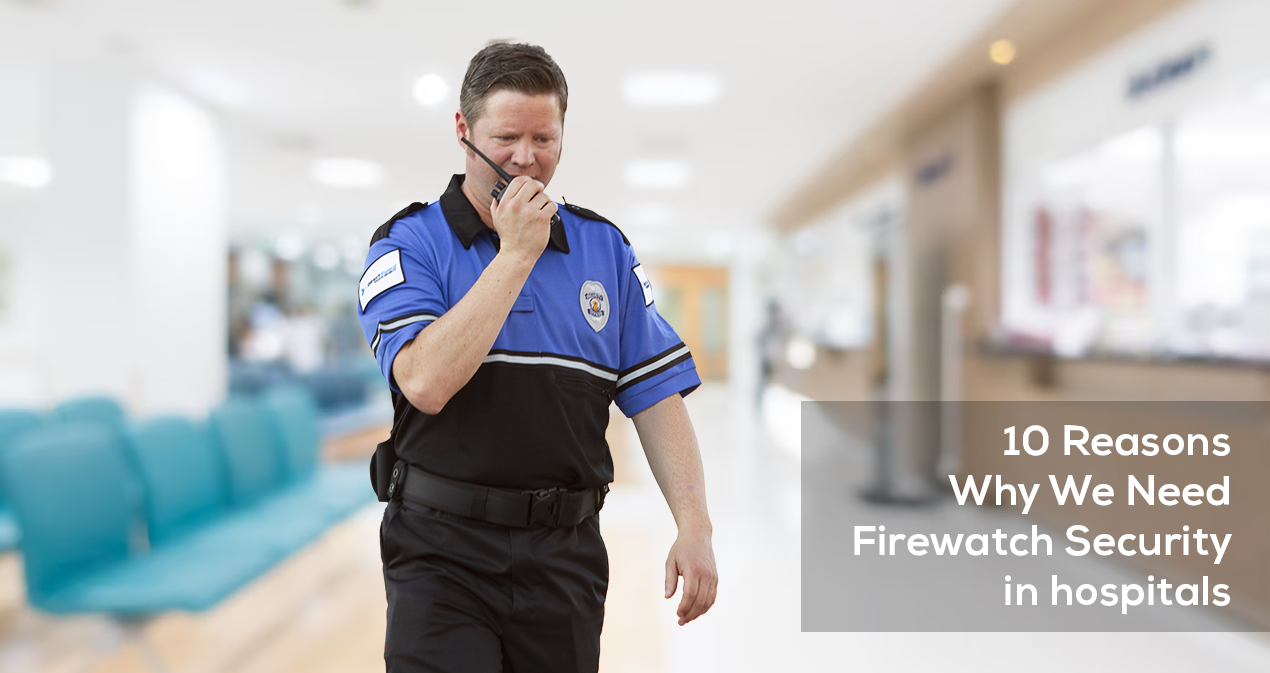
Hospitals are complex environments. From flammable oxygen tanks to continuous electrical use, the risk of fire is constant. That’s why firewatch security plays a critical role in safeguarding patients, staff, and infrastructure. Here are 10 key reasons hospitals need it—especially during fire system outages or renovations.
Reasons to Choose Firewatch Security for Hospitals
1. Firewatch Security Prevents Tragedy During Fire System Failures
When fire alarms or sprinkler systems are offline, firewatch guards step in immediately. Their job is to monitor the building, detect signs of smoke or fire, and alert emergency services if needed.
Unlike static cameras or inactive alarms, firewatch security in hospitals ensures there’s a human presence trained to respond quickly. Hospitals can’t afford delays in emergencies. Lives depend on it.
Firewatch guards walk designated routes. They check equipment rooms, electrical units, patient wards, and storage areas. They log activity, maintain reports, and take swift action if they spot any fire risk.
This immediate presence reduces the chances of unnoticed hazards turning into full-blown disasters.
2. Compliance with Fire Safety Regulations
Hospitals must meet local and federal fire codes. In many regions, it’s illegal to operate a facility without functioning fire detection systems. If those systems go down, hospital firewatch services are required by law.
Non-compliance can lead to hefty fines, license suspension, or even closure. Firewatch guards ensure that hospitals continue operations legally until systems are repaired.
They maintain compliance logs, update facility managers, and coordinate with local fire departments. Their presence can be the difference between passing or failing a safety audit.
3. Continuous Surveillance Reduces Fire Hazards
Fire hazards can arise unexpectedly—especially in busy medical centers. Flammable materials, faulty wires, or overheated equipment are common issues.
Firewatch guards are trained to detect these signs early. They perform hourly patrols and keep a close eye on high-risk areas. Their presence alone acts as a deterrent for negligent behaviors, such as blocking fire exits or storing combustibles improperly.
Routine checks by firewatch personnel can identify hidden threats before they escalate.
4. Ensures Patient and Staff Safety
Patients in ICUs, surgical units, or long-term care wards can’t evacuate quickly. Many rely on ventilators, oxygen, or constant monitoring.
Firewatch security provides an added layer of protection for these vulnerable individuals. Guards understand evacuation protocols and work closely with hospital staff to execute them safely if needed.
Their readiness and presence offer assurance that someone is always on alert, even when automated systems fail.
5. Handles Emergency Response Swiftly
Seconds matter during a fire. Firewatch guards are trained to react quickly, contact fire departments, and guide hospital personnel in emergency protocols.
They know the building layout, alarm systems, exit routes, and safety procedures. Unlike general security, firewatch officers for healthcare are focused specifically on fire detection and response.
Their training allows them to stay calm, coordinate evacuations, and prevent chaos during emergencies.
6. Monitors High-Risk Hospital Zones
Some hospital areas are more prone to fire risks—labs, laundry rooms, kitchens, and storage areas full of chemicals or linens.
Fire hazard monitoring in hospitals focuses on these zones. Firewatch guards know where risks are higher and increase patrols accordingly.
By tracking patterns and maintaining vigilance, they prevent small issues—like overheating machines or unattended appliances—from becoming serious threats.
Why Firewatch Guards Are Trained Differently
They receive specialized fire detection training, unlike general security guards. They’re taught to recognize smoke sources, temperature fluctuations, and early fire symptoms, along with emergency communication skills.
This training allows them to act fast and keep the situation under control before external help arrives.
7. A Temporary Yet Vital Solution During Construction or Repairs
Many hospitals undergo renovations or expansions. During this time, fire alarms and sprinklers may be offline in affected zones.
Temporary firewatch security is mandatory during such work. Guards patrol these vulnerable zones 24/7, providing safety coverage until systems are restored.
They also work alongside contractors to maintain safety protocols and prevent ignition sources from being mishandled.
8. Cost-Effective Fire Safety for Short-Term Needs
Installing backup fire systems can be costly and time-consuming. Firewatch services offer a practical, short-term solution without compromising safety.
Hospitals avoid the risk of shutting down units while still maintaining compliance and protecting lives. Medical facility firewatch protection is often billed hourly or daily, making it affordable for limited use.
When Do Hospitals Need Firewatch Services?
-
During fire system outages
-
Renovation and construction phases
-
Post-fire inspections
-
Emergency repair delays
-
Audit failures requiring immediate action
9. Supports Hospital Security Teams
Firewatch guards don’t replace regular hospital security—they support them. While the core security team handles access control and conflict management, firewatch guards focus solely on fire risk detection.
This clear division of responsibilities improves overall safety and reduces blind spots.
10. Peace of Mind for Administration and Visitors
Hospital administrators carry the burden of patient safety. Knowing that firewatch security is in place during critical moments brings peace of mind.
Visitors, too, feel safer when they see active patrols and know that someone is monitoring fire risks continuously.
Trust builds when people see the facility taking proactive fire safety measures.
Conclusion
Firewatch security in hospitals is not just a regulatory checkbox—it’s a critical safety measure. Whether during system failures, construction, or high-risk periods, firewatch guards fill a crucial gap.
They provide real-time protection, ensure compliance, reduce fire hazards, and—most importantly—help save lives.
Hospitals must never compromise when it comes to fire safety. Firewatch is the safeguard that steps in when systems fail.