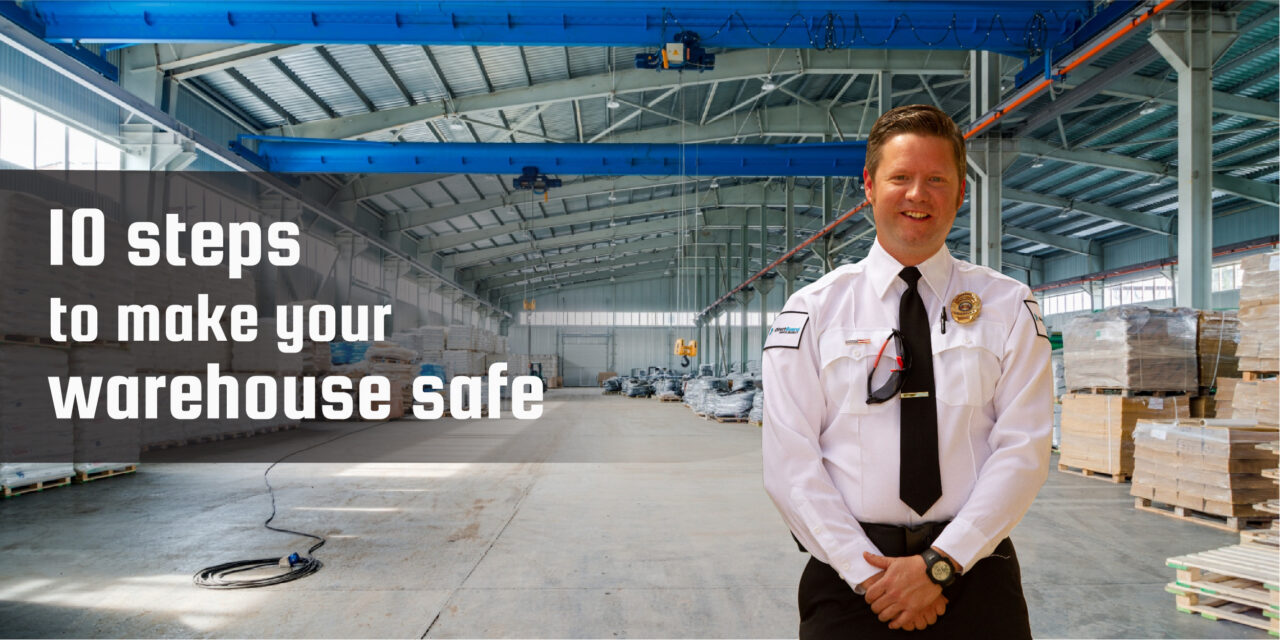
Safety in a warehouse environment is crucial to protecting your assets, safeguarding your employees, and maintaining smooth operations. Warehouses are often fast-paced, bustling spaces with heavy machinery, high-stacked inventory, and constant movement. This makes it easy for accidents to occur if safety measures aren’t prioritized. Fortunately, you don’t need a massive overhaul to improve safety in your warehouse. These 10 simple steps can immediately boost safety and create a safer, more efficient work environment.
1. Implement Regular Safety Training
Your first step to improving warehouse safety is to train all employees properly. Safety training should be conducted regularly and cover topics such as equipment handling, emergency protocols, fire safety, and safe lifting practices. Employees should be familiar with hazard identification and know how to respond appropriately in an emergency.
Why It Matters:
Ongoing safety training keeps workers informed about the latest safety procedures, reduces the risk of injuries, and helps foster a safety-first culture within the warehouse.
2. Conduct Daily Safety Inspections
Please make it a habit to perform daily safety checks around the warehouse. Inspect equipment, aisles, storage systems, and fire exits. Ensure that pathways are clear, machinery functions correctly, and all emergency exits are accessible.
Why It Matters:
Daily safety inspections help catch potential hazards early, preventing accidents and ensuring that the warehouse is always in optimal condition for safe operation.
3. Enforce the Use of Personal Protective Equipment (PPE)
Personal protective equipment (PPE) is an essential part of warehouse safety. Depending on their tasks, ensure that employees wear the necessary PPE, such as gloves, steel-toed boots, hard hats, and reflective vests.
Why It Matters:
Wearing the proper PPE greatly reduces the risk of injuries from equipment, falling objects, or hazardous materials. A warehouse without proper PPE increases the chances of severe accidents.
4. Keep Aisles and Walkways Clear
Cluttered aisles and walkways are one of the leading causes of workplace accidents. Ensure that these areas remain clear of debris, equipment, and inventory. Use marked signs and floor markings to guide traffic and avoid blockages in high-traffic zones.
Why It Matters:
Clear aisles make it easier for workers to move around safely, reducing the likelihood of tripping, falling, or colliding with equipment. This simple step promotes efficiency and minimizes potential hazards.
5. Invest in Regular Equipment Maintenance
Most warehouses use heavy machinery like forklifts, pallet jacks, and conveyors daily, and ensuring that it is in good working condition is essential for safety. Set up a schedule for regular inspections and maintenance of all equipment to prevent malfunctions that could lead to accidents.
Why It Matters:
Well-maintained equipment is less likely to break down and cause harm. Regular maintenance ensures that all machinery operates smoothly, reducing downtime and accidents caused by faulty equipment.
6. Use Proper Lifting Techniques
Warehouses often require employees to lift heavy boxes and goods, which can lead to back injuries if done improperly. Encourage workers to use proper lifting techniques, such as bending their knees, keeping the load close to their body, and using forklifts for heavy items when possible.
Why It Matters:
Proper lifting techniques prevent musculoskeletal injuries, which are common in warehouse environments. Teaching workers the right way to lift can significantly reduce work-related injuries and improve overall productivity.
7. Improve Lighting in Work Areas
Adequate lighting is crucial in a warehouse, especially where employees work with machinery, stock inventory, or move large items. Ensure all areas are well-lit, particularly aisles, stairways, and loading docks, to improve visibility and reduce accidents.
Why It Matters:
Poor lighting can lead to mistakes and accidents. Well-lit areas help workers spot potential hazards and ensure tasks are completed safely. Adequate lighting also boosts overall workplace morale and productivity.
8. Establish Clear Emergency Procedures
Every warehouse should have well-defined emergency protocols, including what to do during a fire, chemical spill, or medical emergency. Post emergency exit plans, fire extinguisher locations, and emergency contacts throughout the warehouse.
Why It Matters:
Clear emergency procedures ensure employees know how to respond quickly and safely in a crisis. Regular drills help workers remain calm and act swiftly during emergencies, minimizing potential damage or injury.
9. Install Safety Signage and Floor Markings
Clear signage and floor markings are vital in guiding employees and alerting them to potential hazards. Signs should indicate the location of fire extinguishers, hazardous materials, or restricted areas. Floor markings can help employees stay within designated walkways, parking areas, or loading zones.
Why It Matters:
Proper signage and markings provide visual cues to workers, reducing confusion and guiding them toward safer paths. These simple indicators help prevent accidents and maintain order within the warehouse.
10. Foster a Safety-Focused Culture
Safety is not just about policies; it’s about creating a culture where safety is everyone’s responsibility. Encourage workers to report hazards or unsafe practices and recognize employees who consistently follow safety protocols. Lead by example and promote a work environment where safety is prioritized.
Why It Matters:
A safety-focused culture promotes long-term vigilance and engagement in safety practices. Employees are more likely to follow safety guidelines when they see their leaders taking safety seriously and when they are rewarded for making safety a top priority.
Conclusion
Warehouse safety doesn’t have to be complicated. By implementing these 10 simple steps, you can significantly improve the safety of your workplace and create an environment where employees feel secure and valued. These strategies—from regular safety training to maintaining equipment—can help prevent accidents, minimize risks, and boost overall productivity. Safety is an ongoing effort, but these small, actionable steps will help you take the first, crucial step toward a safer warehouse environment today.