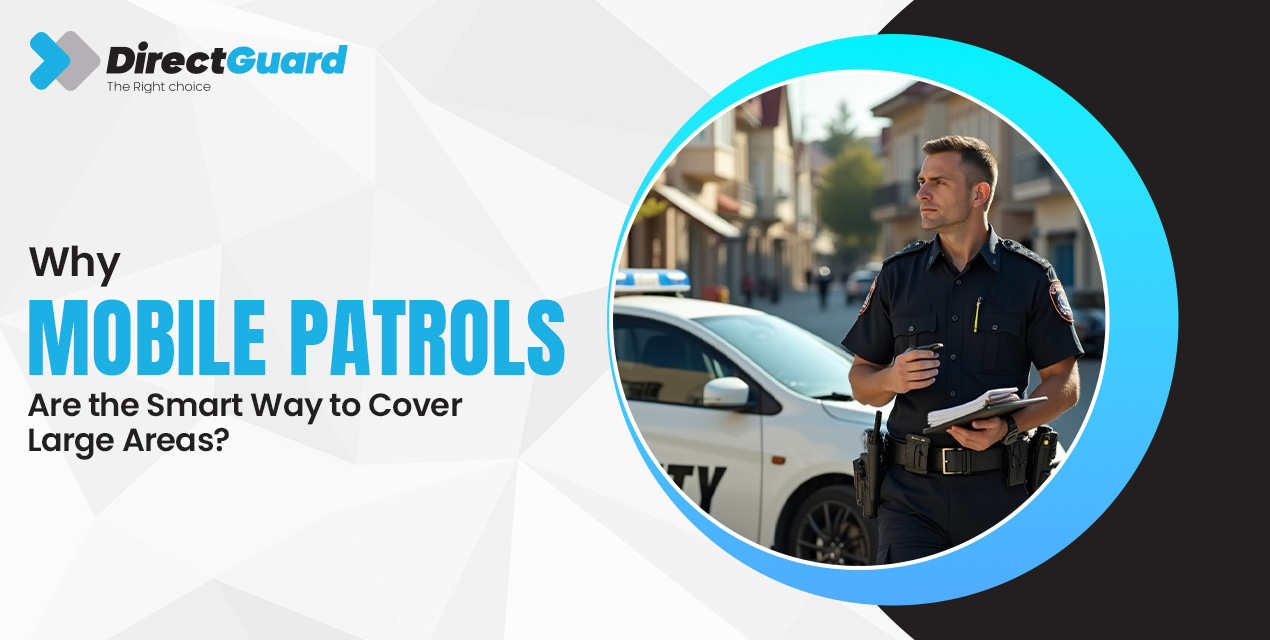
Securing large areas presents unique challenges. A stationary guard may only cover a small portion of a property, leaving blind spots and delayed responses to incidents. This is where mobile patrol security comes in. Mobile patrols are security officers who move across large properties, providing flexible, real-time protection.
From industrial sites and warehouses to residential communities and commercial campuses, mobile patrols are increasingly becoming the preferred solution for property managers who want efficient coverage, rapid response, and crime deterrence. In this article, we’ll explore why mobile patrols are the smart way to secure large areas, how they operate, and what best practices make them highly effective.
What Are Mobile Patrols?
Mobile patrols are security services that involve officers patrolling a property either on foot, in vehicles, or using bicycles to cover large areas efficiently. Unlike stationary security guards who remain in one position, mobile patrol officers move across the property, allowing them to monitor more ground and respond quickly to incidents.
Key Features of Mobile Patrols:
- Mobility: Officers patrol multiple zones instead of being tied to one spot.
- Visibility: The presence of patrol vehicles and uniformed officers deters potential criminals.
- Communication Tools: Officers use radios and mobile devices for instant alerts and reporting.
- Routine & Random Patrols: Patrols follow planned routes but also use random schedules to prevent predictability.
Why Mobile Patrols Are Ideal for Large Areas
Mobile patrols are especially effective in large areas due to their flexibility, coverage, and deterrence. Here’s why they work so well:
1. Comprehensive Coverage
One of the biggest challenges in large properties is ensuring no area is left unmonitored. Mobile patrols can cover multiple zones during a single shift, reducing blind spots and improving overall security.
2. Rapid Response to Incidents
In a stationary security model, officers may take longer to respond if an incident occurs far from their post. Mobile patrol officers, however, are constantly moving and can reach the location quickly, whether it’s an alarm trigger, suspicious activity, or an emergency.
3. Visible Deterrence
The visibility of a moving patrol vehicle or officer creates a strong deterrent against criminal activity. People are less likely to attempt theft, vandalism, or unauthorised access when they know patrols are actively monitoring the area.
4. Flexibility & Efficiency
Mobile patrols can adapt their routes based on risk levels or areas of concern. For example, they can increase frequency in high-risk zones, inspect areas after hours, or respond to alerts immediately. This adaptability makes mobile patrols more effective than stationary guards.
How Mobile Patrols Operate
Mobile patrols use structured strategies and technology to maximise security.
Routine & Random Patrols
- Routine Patrols: Scheduled routes ensure consistent monitoring across the property.
- Random Patrols: Varying patrol routes prevents criminals from predicting security patterns.
Technology Integration
- GPS tracking helps managers monitor patrol movements in real-time.
- Mobile reporting tools allow officers to submit incident reports immediately.
- Cameras and communication devices increase situational awareness.
Emergency Coordination
Mobile patrol officers are trained to coordinate with local authorities or emergency services in case of incidents. They can provide immediate support and assist in investigations.
Industries and Areas That Benefit Most from Mobile Patrols
Mobile patrol security is versatile and useful across multiple industries:
1. Industrial Sites & Warehouses
Large industrial facilities often store high-value inventory and equipment. Mobile patrols can monitor entrances, parking lots, and storage areas efficiently.
2. Residential Communities
Gated communities, apartment complexes, and housing estates benefit from mobile patrols that ensure safety across streets, parks, and common areas.
3. Commercial Campuses & Office Parks
Mobile patrols provide surveillance across multiple buildings, parking areas, and open spaces, maintaining a secure environment for employees and visitors.
4. Event Venues
Large event areas require active monitoring for crowd control, access management, and quick response to incidents. Mobile patrols are ideal for this purpose.
Suggested Image:
- Alt text: “Mobile security patrol in a large industrial warehouse facility”
Best Practices for Mobile Patrols
To ensure maximum effectiveness, mobile patrol services should follow best practices:
- Trained Officers: Officers should be skilled in safety protocols, emergency response, and surveillance techniques.
- Updated Patrol Routes: Changing routes regularly prevents predictability.
- Clear Communication: Officers should maintain constant contact with management or security control centres.
- Use of Technology: GPS, mobile reporting, and surveillance tools enhance patrol efficiency and accountability.
Conclusion
Mobile patrol security is the smart choice for protecting large areas. Its flexibility, efficiency, and rapid response capabilities make it far superior to stationary security alone. Mobile patrols provide visible deterrence, cover multiple zones, and ensure a safer environment for employees, residents, and visitors.
Implementing professional mobile patrol services ensures your property remains secure, risks are minimised, and emergencies are handled quickly.
FAQs About Mobile Patrols
Q1: How often should mobile patrols cover a large area?
Patrol frequency depends on property size, risk assessment, and specific client requirements. A combination of routine and random patrols is often most effective.
Q2: Can mobile patrols replace stationary guards entirely?
Mobile patrols complement stationary guards, but for extremely large properties, a combination of both provides the best coverage.
Q3: How do mobile patrols respond to emergencies?
Mobile patrol officers are trained to act immediately, communicate with authorities, and secure the incident area while documenting events.